




CO₂ transportation grid
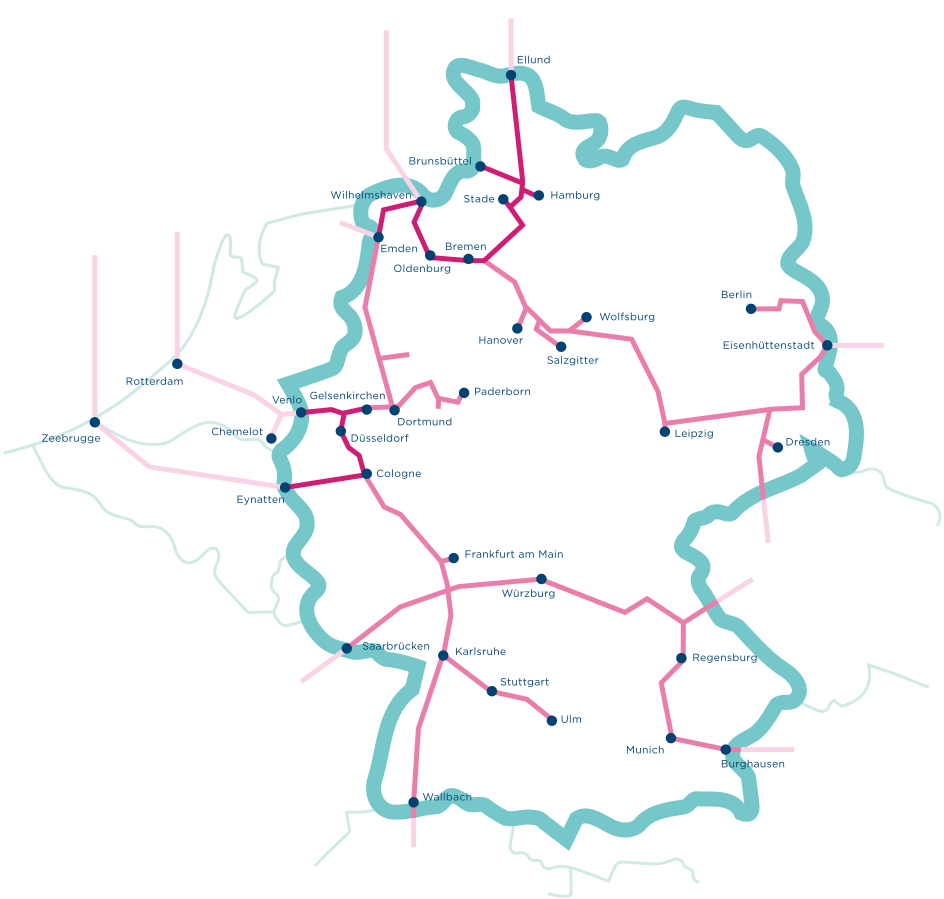
Our CO2 transportation grid starts
It consists of our projects WHV CO2 Corridor, Delta Rhine Corridor, Ruhbens, DK CO2 Corridor and the Elbe estuary. The aim is to quickly develop the export options in Wilhelmshaven, Rotterdam, Ellund and Antwerp/Zeebrügge.
We would like to develop both the projects and clusters as well as the CO2 transport network flexibly according to the transport needs. At the moment, we are assuming a complete rebuilding of the infrastructure as the existing natural gas pipelines cannot be used due to the technical requirements for (dense) CO2 transport. If possible, however, we will use the corridors of existing pipelines to keep the necessary interventions in the environment as low as possible.
This way, we connect locations where CO2 is captured or bundled, such as the cement and lime industries, with places where CO2 is used, like the chemical industry – all with the goal of Carbon Management. We also link up locations where CO2 is captured and CO2 Hubs with relevant port facilities like Wilhelmshaven or Rotterdam.
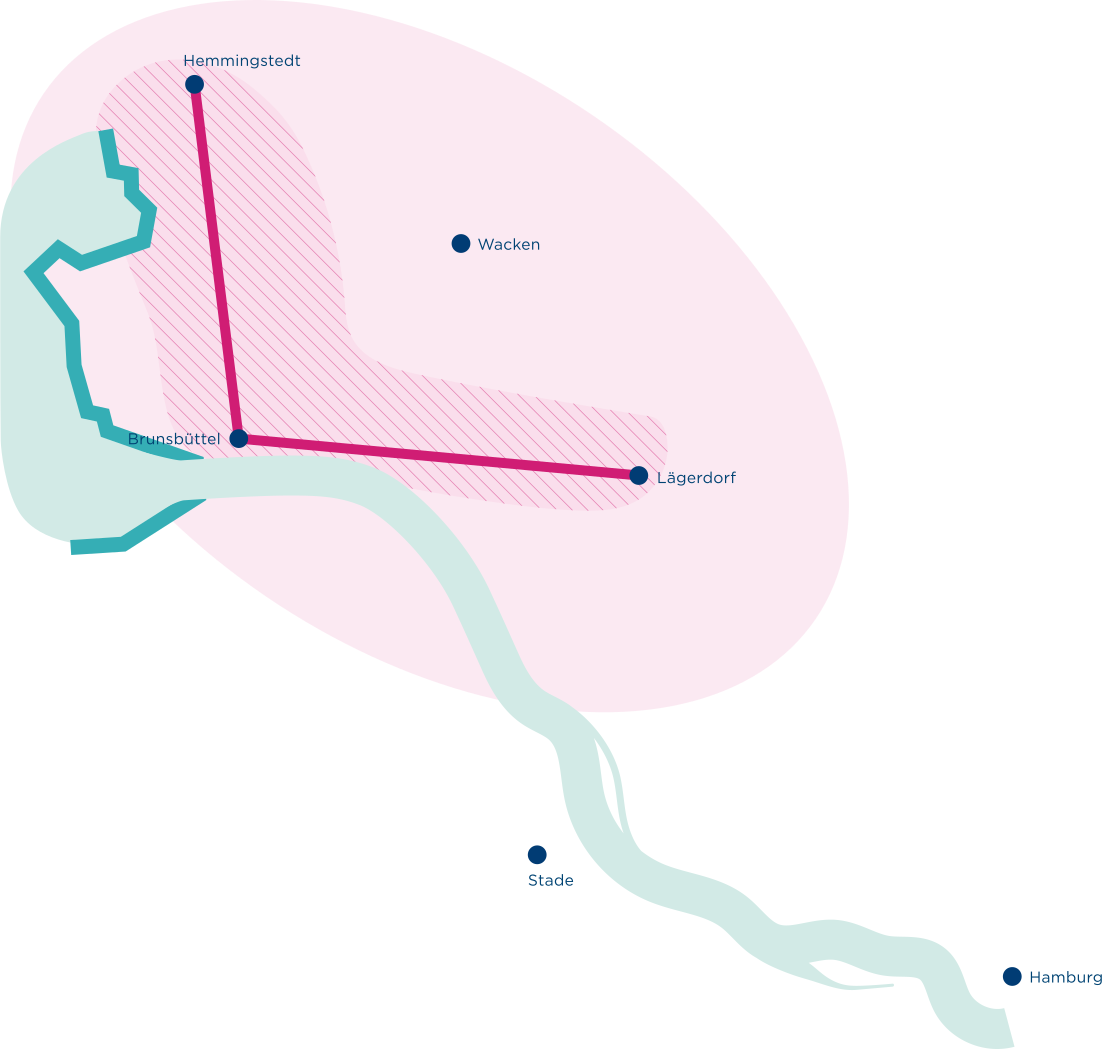
Elbe estuary cluster
OGE is planning to build a CO2 pipeline infrastructure around the Elbe estuary near Brunsbüttel. Together with powerful partners, a first CO2 cluster is to be established at the end of the 2020s. The aim is to link the Lägerdorf, Brunsbüttel and Heide sites and thus develop a CO2 circular economy. This cooperation project will allow the efficient and safe transportation of captured CO2 from the cement plant in Lägerdorf to the recycling or storage sites. The planned pipeline network will be about 70 km in length and will become part of a German CO2 transportation network.
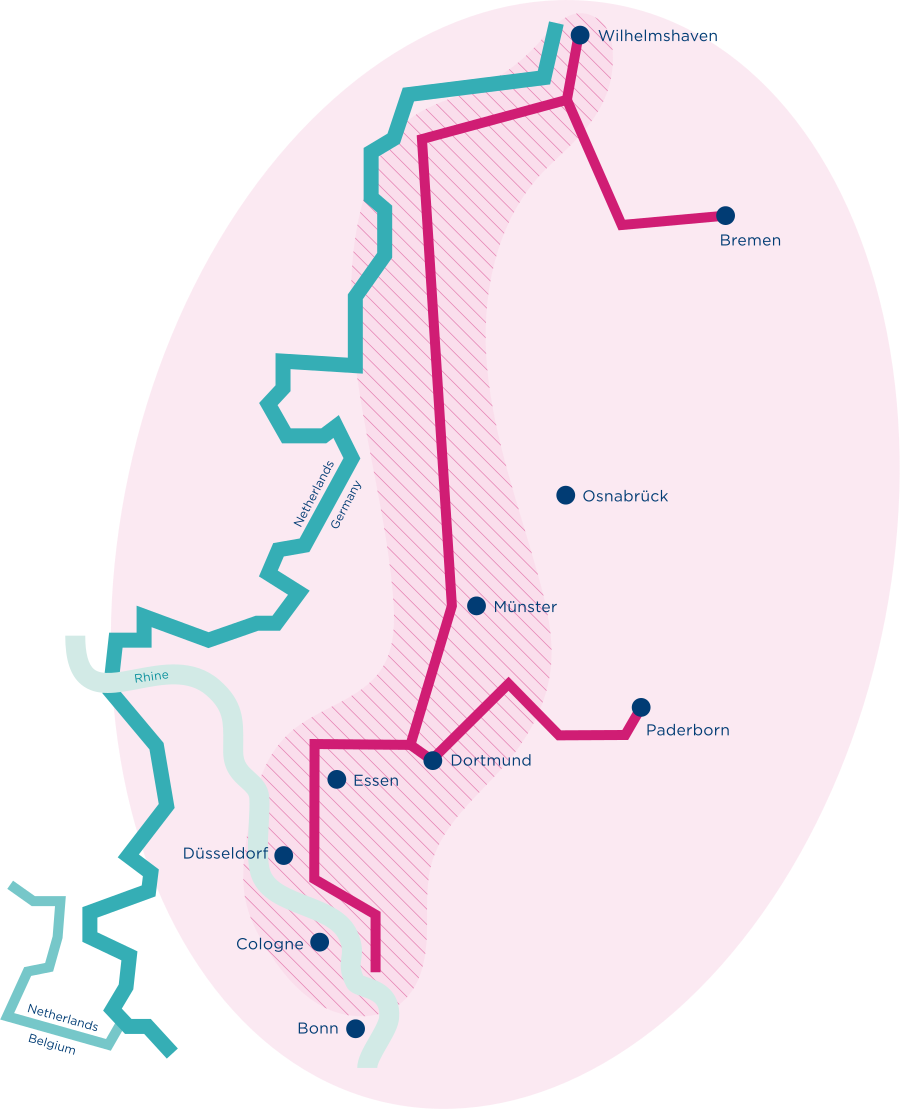
WHV CO2 Corridor project
WHV CO2 Corridor is a project developed by OGE to connect the future energy hub in Wilhelmshaven with the Ruhr region via a western route. Among other things, this project will open up the ‘cement region’ of East Westphalia as well as the Ruhr area with Dortmund, Duisburg, Düsseldorf and Cologne as Germany's industrial heartland to allow about 30 percent of the residual CO2 emissions to be connected with the CO2 export options in Wilhelmshaven. Bremen will be developed on the eastern route and connected to the other corridors, e.g. the DK CO2 Corridor. Equinor, TES and Wintershall Dea are known to be among the companies planning to export CO2 in Wilhelmshaven at present. The WHV CO2 Corridor project is a core element of the CO2 activities and complements the DRC, NSCC und DKCC with the aim of establishing a north-west European CO2 transportation system.
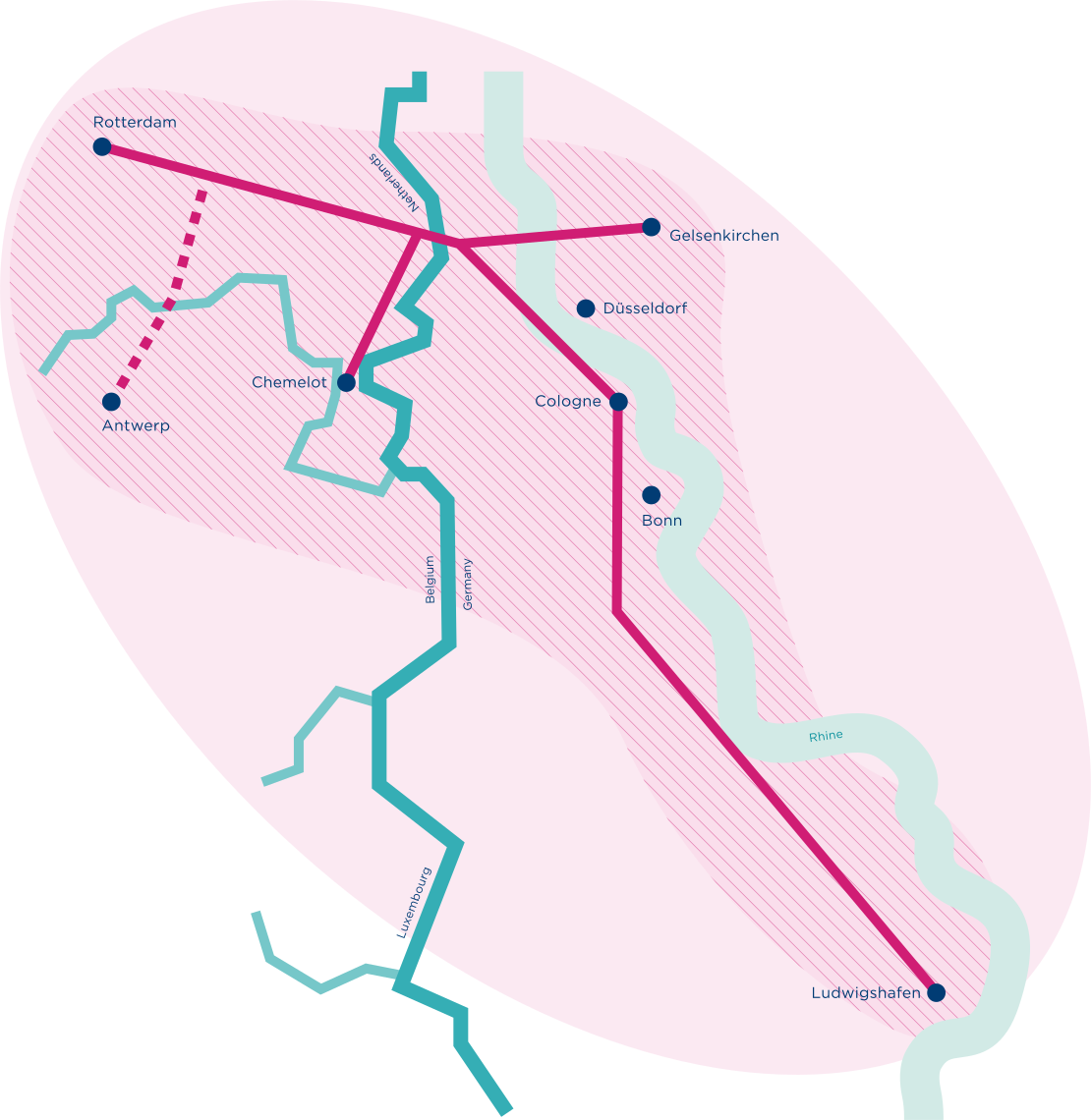
Delta Rhine Corridor project:
H2 and CO2 transportation between the Netherlands and Germany
BASF, Gasunie, OGE and Shell have signed a cooperation agreement to advance the idea of the Delta Rhine Corridor project together with potential customers. The DRC project aims to transport CO2 to storage facilities off the Dutch coast, in particular via the Aramis system. The Dutch government has recognised the added value for society and declared the initiative to develop the Delta Rhine Corridor a project of national interest. The German government and the government of North Rhine-Westphalia also support the project. With politics and society on our side, we can take a huge step in advancing the energy transition. We are ready!
The Delta Rhine Corridor project is a core component of the CO2 activities and complements the WHVCC, NSCC and DKCC projects, with the aim of establishing a north-west European CO2 transport system.
For more information about the joint project, go to www.delta-rhine-corridor.com
The project has been recognized by the European Union as a “Project of Common Interest” and is co-funded by the EU.

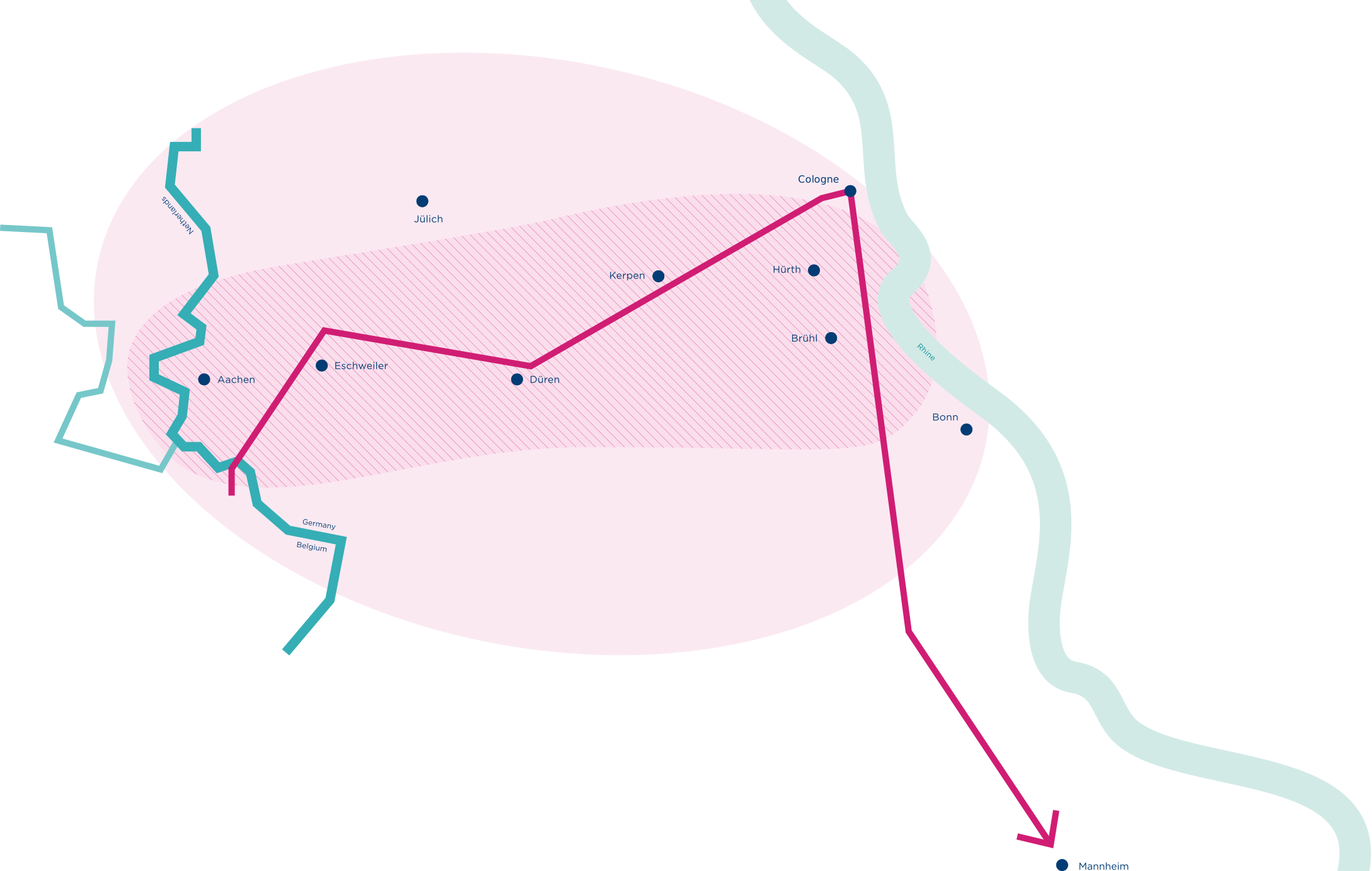
North Sea CO2 Corridor
CO2 transport from Germany to the Norwegian North Sea
The North Sea CO2 Corridor (NSCC) project provides a connection to permanent CO2 storage sites in the Norwegian North Sea. As part of the cross-border CO2 transport corridor, OGE is developing a high-performance onshore pipeline infrastructure in Germany. This will open up the regions of Aachen, Cologne, the Rhineland and southern Germany. The aim is to transport CO2 from industrial centres to the Belgian border. There, it will be connected to Fluxys' Belgian CO2 network, which will enable further transport to the export terminal in Zeebrugge. From Zeebrugge, a planned offshore pipeline from Equinor will transport CO2 to storage sites in the Norwegian North Sea.
The project completes the cross-border ‘Project of Common Interest’ EU2NSEA to establish a European CO2 transport infrastructure towards the Norwegian North Sea.
Important planning steps are being co-financed with European funding from the Connecting Europe Facility (CEF). The project also enjoys broad support from the German federal government and the state government of North Rhine-Westphalia.
The NSCC project is a core component of CO2 activities and complements the WHVCC, DRC and DKCC projects, with the aim of establishing a north-western European CO2 transport system.

Use our CO2-infrastructure
A climate-neutral energy system requires various infrastructures: for electricity, gas, hydrogen, and also for CO2.
We work on your behalf, connecting the locations where CO2 is produced, used, collected and needs to be stored.
We are already planning this CO2 infrastructure with initial projects and routes. As one of the leading gas grid operators in Europe, we have the expertise and the technical prerequisites for the development of this kind of infrastructure.
We answer further questions in the in the FAQ.
Downloads